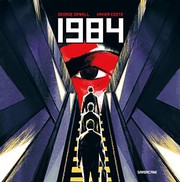
George Orwell · 1949 · Classic novel
Read
In a future Britain, now called Airstrip One and part of the superstate Oceania, the Party controls every aspect of life under the image of Big Brother. Winston Smith works at the Ministry of Truth, rewriting old newspaper reports so that the record always matches the Party’s latest version of events. Telescreens watch and listen, the Thought Police hunt for disloyal ideas, and a new official language, Newspeak, is designed to make dissent impossible to express.
Winston starts a secret diary, begins a forbidden affair with a young woman named Julia, and hopes that a rumoured resistance movement is real. Orwell’s final novel remains a sharp study of surveillance, propaganda and the fragility of truth and memory under total power.
Key insights
- Whoever controls the records controls memory; the Party’s constant rewriting of the past shows why independent archives and a free press matter.
- Shrinking language shrinks thought; Newspeak cuts away words so that forbidden ideas become hard even to form.
- Doublethink, holding two contradictory beliefs at once, is a useful lens for noticing when propaganda asks you to accept contradictions.
- Constant surveillance produces self-censorship; people learn to police their own faces and words, which costs the state far less than force.
- A permanent enemy keeps a population fearful and united behind its leaders, as the endless war and staged rituals of hatred show.
Read it if you want to understand the ideas behind terms like Big Brother and doublethink, and why they still matter.