Howard Zinn · 1980 · History
Read
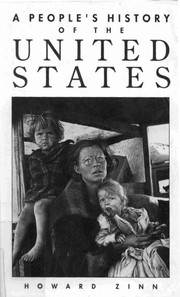
A People’s History of the United States retells American history from the viewpoint of people often left out of textbooks: Indigenous Americans, enslaved Africans, women, industrial workers, immigrants, soldiers and protesters. Howard Zinn begins with Christopher Columbus’s arrival in the Caribbean and continues through slavery, the Revolution, westward expansion, the labour movement, the world wars, civil rights and Vietnam, with later editions reaching into the twenty-first century.
Zinn argues that the country’s political and economic elites have repeatedly acted in their own interest, and that most real gains in rights and freedoms came from pressure from below: strikes, protests and social movements. He is open about taking sides. Admirers value the book for recovering neglected voices, while many historians criticise it as one-sided and selective.
Key insights
- Every history involves choices about whose story to tell. Asking who is missing from an account can reveal as much as what is included.
- Rights are often won from below. Zinn argues that better working conditions and civil rights came mainly from organised pressure, not the goodwill of leaders.
- Heroic national stories can hide violence. Zinn’s account of Columbus and westward expansion centres the people who paid the price for those triumphs.
- Divide and rule is an old tactic. Zinn argues that elites often split ordinary people, for example along racial lines, to stop them uniting around shared interests.
- Read partisan history alongside other accounts. Zinn is openly selective, so use him to widen your perspective rather than as the final word.
Read it if you want American history told from the perspective of ordinary people rather than presidents, generals and industrialists.