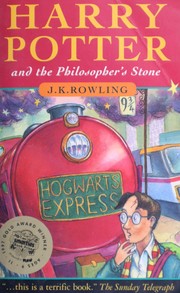
J.K. Rowling · 1997 · Children’s novel
Read
Harry Potter and the Philosopher’s Stone introduces Harry, an orphan raised by an aunt and uncle who treat him as a burden. On his eleventh birthday he learns that he is a wizard, that his parents were killed by the dark wizard Voldemort, and that he is famous in a hidden magical world for surviving the attack as a baby.
Harry starts at Hogwarts School of Witchcraft and Wizardry, where he makes friends with Ron Weasley and Hermione Granger, discovers a talent for Quidditch and faces hostility from a rival pupil and a harsh teacher. The friends begin to suspect that someone is trying to steal a valuable object hidden in the school. The novel explores friendship, courage, belonging and the difference between fame and character.
Key insights
- Courage takes many forms. Standing up to your own friends when they are wrong can take as much bravery as facing an enemy.
- Dwelling on what we long for can stop us from living. The Mirror of Erised shows how a wish can quietly become a trap.
- Friendship is often forged through shared trouble. Harry, Ron and Hermione become close only after facing danger together and learning to value each other’s strengths.
- Fame is not the same as character. Harry is celebrated for something he cannot remember and has to earn respect through his own choices.
- Belonging can be found as well as inherited. Harry discovers at Hogwarts the sense of home and acceptance his own relatives never gave him.
Read it if you want an inviting fantasy about friendship and courage, or want to see why the series won over a generation.