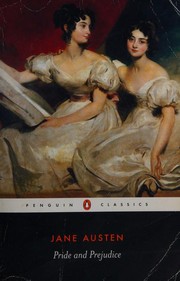
Jane Austen · 1813 · Classic novel
Read
The Bennets have five daughters and no son, so their home will pass to a distant cousin, and good marriages matter. When wealthy Mr Bingley takes a nearby estate, he is quickly drawn to Jane, the eldest. His friend Mr Darcy, who is even richer, seems cold and proud, and he slights the lively second daughter, Elizabeth, at a local ball.
Elizabeth’s dislike hardens when a charming officer, Mr Wickham, tells her that Darcy denied him what Darcy’s father had promised. Austen’s comedy of manners follows how first impressions, family embarrassments and social pressure shape the characters’ choices. Beneath the wit, it looks seriously at money, class and the narrow options open to women, and at how hard it is to see one’s own faults.
Key insights
- First impressions can be confidently wrong; Elizabeth’s quick judgement, fuelled by wounded pride, leads her to misread the people around her.
- Check the source of a story before believing it; Wickham’s charm makes his account persuasive, though Elizabeth never tests it.
- Real growth involves admitting you were wrong; the novel treats changing one’s mind as a sign of strength rather than weakness.
- Marriage was also an economic decision; Charlotte Lucas’s practical choice shows how few options women without money had.
- Manners reveal character; small acts of rudeness or kindness tell you more about people than their wealth or rank.
Read it if you enjoy sharp, witty social comedy with memorable characters and a clear eye for human folly.