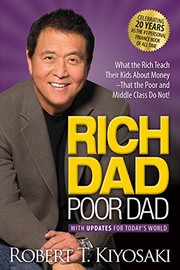
What the Rich Teach Their Kids About Money That the Poor and Middle Class Do Not!
Robert T. Kiyosaki · 1997 · Personal finance
Read
Robert Kiyosaki contrasts the financial outlooks of two father figures. His own father, a well-educated senior government official, worked hard for a salary yet struggled with money. His best friend’s father, who never finished school, built businesses and became wealthy. Kiyosaki treats him as his real financial mentor.
The book’s core lesson is the difference between assets, which put money into your pocket, and liabilities, which take it out. The poor and middle class, he argues, buy liabilities they believe are assets and stay trapped working for wages, while the rich acquire assets that produce income. He urges readers to build financial literacy, take calculated risks and work to learn rather than simply for pay. Critics question some of his claims and the lack of practical detail.
Key insights
- Know the difference between an asset and a liability. One puts money in your pocket and the other takes money out, whatever the accounting label says.
- Build your asset column, such as a business, shares or rental property, so that income eventually arrives without trading more hours for it.
- Pay yourself first by setting money aside to build assets before spending on anything else, even when that feels uncomfortable.
- Early in a career, choose jobs for what they teach you, especially selling, communicating and managing money, rather than only for the salary.
- Kiyosaki argues that the home you live in is usually a liability, because it takes money from you each month rather than producing income.
Read it if you want an accessible, motivating introduction to thinking about assets, income and financial independence.