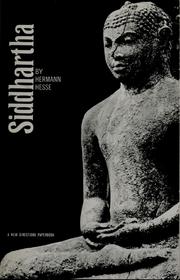
Hermann Hesse · 1922 · Classic novel
Read
Set in ancient India during the Buddha’s lifetime, the novel follows Siddhartha, the gifted son of a Brahmin, who feels the teachings and rituals of his upbringing cannot answer his deepest questions. He leaves home with his devoted friend Govinda to live as a wandering ascetic, and later meets the Buddha himself. Siddhartha admires him but concludes that no teacher can hand over enlightenment; each person must reach it through their own experience.
His search then takes him in the opposite direction, into city life, where he learns about love from the courtesan Kamala and business from a merchant. Later he settles beside a river with a humble ferryman. Hesse’s short, lyrical novel explores the gap between knowledge and wisdom, and the value of patience and attentive listening.
Key insights
- Knowledge can be taught, but wisdom has to be lived. Siddhartha respects great teachers yet insists on finding his own path through experience.
- Siddhartha’s core skills are thinking, waiting and fasting. Clear thought, patience and the ability to go without give a person freedom in almost any situation.
- Comfort can slowly consume a seeker. Siddhartha drifts into wealth and pleasure almost without noticing, a warning about how small habits gradually change who we are.
- The river teaches by being listened to. Quiet, patient attention to what is in front of you can reveal more than argument or study.
- Searching too hard can become its own trap. Fixing your eyes on a goal may stop you noticing what is already present.
Read it if you are drawn to spiritual questions and want a short, calm novel about finding your own way.