Robert Greene · 1998 · Strategy
Read
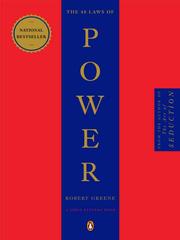
Robert Greene distils thousands of years of political intrigue, court life, warfare and confidence tricks into forty-eight rules for gaining and keeping power. Each law is illustrated with historical stories, from the courts of French kings and Renaissance Italy to ancient China and twentieth-century con artists, showing people who followed the law and people who paid for ignoring it. Most chapters also explain when reversing the law makes more sense.
Greene draws heavily on writers such as Machiavelli, Sun Tzu and Baltasar Gracián. The tone is deliberately amoral: he describes how power works in practice rather than how people wish it worked. Many readers find the book cynical or manipulative, while others read it defensively, to recognise tactics being used on them at work, in politics and in relationships.
Key insights
- Avoid making those above you feel insecure. Greene’s first law warns that outshining a superior can provoke resentment instead of reward.
- Say less than necessary. People who talk too much reveal their intentions, commit themselves to positions and appear less in control.
- Reputation is a central source of power. Guard it carefully, because once it is damaged, every later action is viewed with suspicion.
- Win through actions and demonstrations rather than arguments. Defeating someone in debate often breeds resentment without changing their mind.
- Plan all the way to the end. Many failures come from focusing on the first moves and ignoring what happens once the goal is reached.
Read it if you want to understand office politics and historical power struggles, and to recognise manipulation when you meet it.