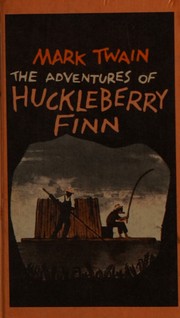
Mark Twain · 1884 · Classic novel
Read
The Adventures of Huckleberry Finn follows Huck, a boy from a small town on the Mississippi River in the decades before the Civil War. To escape his violent, drunken father and the respectable ladies trying to civilise him, Huck fakes his own death and sets off down the river on a raft. He is joined by Jim, an enslaved man who has run away rather than be sold and separated from his family.
Narrated in Huck’s vernacular voice, the novel moves through a series of episodes involving feuding families, travelling con men and small-town mobs. Twain uses Huck’s innocent perspective to satirise the hypocrisy, violence and racism of the society around him. Its use of racial slurs and stereotypes has made it both widely taught and widely debated.
Key insights
- Conscience can be wiser than convention. Huck’s growing sense of Jim’s humanity clashes with everything his society has taught him is right.
- A community can train people to feel guilty for doing good. Moral education shaped by an unjust system can turn a decent person’s conscience against their better instincts.
- Seeing people as individuals erodes prejudice. Time spent with Jim on the raft slowly changes how Huck understands him.
- Satire can expose hypocrisy more sharply than argument. Twain lets readers see the gap between respectable people’s pious words and their cruel actions.
- Read classics in their historical context. The book’s racial language and caricatures are painful to read, and understanding why helps readers grasp both its critique and its limits.
Read it if you want a funny, uncomfortable classic that examines race, freedom and conscience in pre-Civil War America.