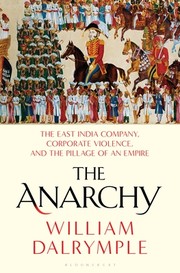
The East India Company, Corporate Violence, and the Pillage of an Empire
William Dalrymple · 2019 · History
Want to read
William Dalrymple tells how the East India Company, a London trading firm founded by royal charter in 1600, came to control much of India by 1803. The story centres on the eighteenth century, as the Mughal Empire fragmented and rival powers fought over its remains. After Robert Clive’s victory at Plassey in 1757, the Company took control of Bengal and soon won the right to collect its taxes.
Dalrymple shows how shareholders, bribery, alliances with Indian bankers and a private army roughly twice the size of the British Army drove this expansion. He also records its human costs, including a devastating famine in Bengal. The book is both a detailed narrative and a warning about what happens when a corporation begins to act like a state.
Key insights
- A corporation can become a state when it combines private capital, its own army and political influence, and few institutions are designed to check it.
- Finance decided wars. The Company’s access to credit, including backing from Indian bankers such as the Jagat Seths, mattered as much as battlefield skill.
- Division invites takeover: the collapse of Mughal authority and rivalries among Indian rulers created openings that a small, organised outsider exploited.
- Shareholder profit and good government can clash badly; the Company’s revenue collection deepened suffering during the Bengal famine of 1770.
- Being too big to fail is not new. When the Company faced collapse in the 1770s, Parliament stepped in, partly because many members held shares.
Read it if you want a detailed, readable account of how a trading company took over much of India, with lessons about corporate power.