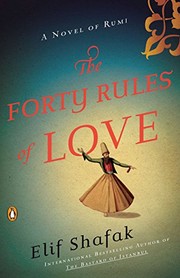
Elif Shafak · 2009 · Novel
Read
Ella Rubinstein is a housewife in Massachusetts with three children and a comfortable but loveless marriage. When she takes a job reading manuscripts for a literary agency, she is given a novel called Sweet Blasphemy by an unknown writer, Aziz Zahara. It tells the story of the thirteenth-century friendship between Rumi, a respected scholar and preacher, and Shams of Tabriz, a wandering dervish whose unconventional ideas about God and love unsettle the city of Konya.
Shafak alternates between the two stories. As Ella reads, she begins writing to Aziz, and the manuscript starts to change how she sees her own life. Through Shams’s forty rules, the novel explores divine and human love, spiritual freedom, tolerance and the price of real change.
Key insights
- Love, in the novel, is a force for transformation: a meaningful encounter can change not just feelings but a whole way of living.
- A single friendship can redirect a life. Shams pushes Rumi, a respected but conventional scholar, towards the mystical path that later made him a poet.
- Inner faith is contrasted with rigid, judgemental religiosity; the story questions people who police others’ beliefs while neglecting their own hearts.
- Change unsettles the people around the person who changes; families and communities may resist or resent what they do not understand.
- Parallel stories show how centuries-old spiritual ideas can speak directly to ordinary modern dilemmas about marriage, meaning and courage.
Read it if you are drawn to Sufi ideas, Rumi’s poetry or stories about love as a spiritual and personal awakening.