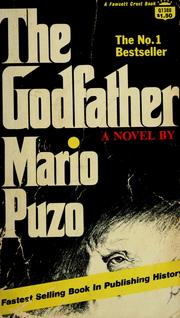
Mario Puzo · 1969 · Novel
Read
The Godfather follows the Corleones, one of the most powerful Mafia families in New York in the years after the Second World War. The family’s head, Don Vito Corleone, rules through favours, loyalty and the quiet threat of violence, and sees himself as a protector of those who come to him for justice. His youngest son, Michael, a decorated war veteran, wants nothing to do with the family business.
When the Don refuses to back a rival’s move into the narcotics trade, the decision sets off a violent struggle among the city’s crime families that draws Michael in. Mario Puzo, who also recounts Vito’s early life as an immigrant from Sicily, explores power, loyalty, revenge, the immigrant pursuit of success and the thin line between business and crime.
Key insights
- Power often rests on favours and obligation. The Don builds influence by helping people, knowing each favour creates a debt he may later call in.
- Keep anger out of big decisions. Characters who act on rage or pride make costly mistakes, while the Don values patience, reason and hiding his intentions.
- When official institutions fail people, alternative systems of justice and protection can win their loyalty, for better and for worse.
- The pursuit of family security can justify a series of moral compromises that gradually change who a person is.
- Crime and legitimate business can mirror each other. Puzo presents the family’s operations as a dark reflection of American capitalism and politics.
Read it if you enjoy absorbing crime sagas about family, power and loyalty, or want the source of the famous films.