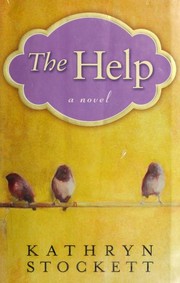
Kathryn Stockett · 2009 · Novel
Read
Set in Jackson, Mississippi, in the early 1960s, The Help is told by three women. Aibileen is a Black maid raising her seventeenth white child while grieving the loss of her own son. Her friend Minny is a gifted cook whose sharp tongue keeps costing her jobs. Skeeter Phelan, a young white woman just back from university, wants to be a writer and cannot find out why the maid who raised her has disappeared.
Skeeter sets out to collect the maids’ own accounts of working for white families, a project that is dangerous for everyone involved under segregation. The novel explores race, class and courage, and the unequal closeness of women who raise other people’s children. It has also drawn criticism for how it voices its Black characters.
Key insights
- Telling the truth costs most for those with the least power; the maids risk their jobs, homes and safety simply by sharing their experiences.
- Closeness is not equality; the maids raise white children with great tenderness yet are pushed towards separate toilets and back doors.
- Words spoken to a child can counter a hostile world; Aibileen tells Mae Mobley every day that she is kind, smart and important.
- Allies have to earn trust; Skeeter’s project stalls until the maids themselves decide that their stories are worth the danger of telling.
- Critics have questioned a white author writing Black characters in dialect; reading those critiques alongside the novel adds useful perspective.
Read it if you enjoy warm, character-driven fiction about friendship and courage, set against the racial injustice of the American South.