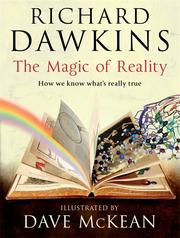
How We Know What’s Really True
Richard Dawkins · 2011 · Science
Read
Richard Dawkins wrote this illustrated book for teenagers and curious adults. Each chapter takes a big question, such as what things are made of, why we have night and day, what causes earthquakes, who the first person was and whether we are alone in the universe. In most chapters he first retells myths that different cultures created to answer it, then explains what science has found and how we know.
The book’s argument is that the real world is more astonishing than any supernatural story. Dawkins separates three meanings of magic: supernatural claims, stage tricks, and the poetic sense of wonder. He dismisses the first, treats the second as trickery, and argues that scientific understanding supplies the third. Dave McKean’s illustrations run throughout the text.
Key insights
- Ask how we know, not just what we believe. Scientific answers earn trust because they can be checked against evidence, not because of who states them.
- Myths and science often tackle the same questions. Comparing them shows how stories satisfy curiosity, while evidence actually answers it.
- Wonder does not need the supernatural. Understanding how rainbows, stars and living things work can be more moving than magical explanations.
- There was no first person. Each generation resembles its parents, yet over vast spans of time small changes add up to entirely new species.
- When you hear of a miracle, ask which is more likely: that natural laws were broken, or that someone was mistaken, misled or exaggerating.
Read it if you want a clear, illustrated introduction to scientific thinking, or a book to share with a curious teenager.