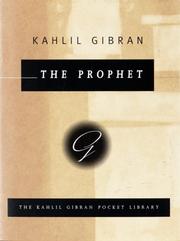
Kahlil Gibran · 1923 · Poetry
Read
The Prophet is a short book of poetic essays. Its frame is simple: a wise man named Almustafa has lived for twelve years in the city of Orphalese and is about to board the ship that will take him home. Before he leaves, the townspeople ask him to share his wisdom, and he speaks in turn on love, marriage, children, giving, work, joy and sorrow, freedom, pain, self-knowledge, friendship, prayer, beauty, death and other subjects.
Written in English by the Lebanese-American poet and artist Kahlil Gibran, the book blends Christian, Sufi and wider spiritual traditions in rhythmic, aphoristic prose. A recurring idea is that apparent opposites belong together: a full life embraces both joy and sorrow, closeness and independence.
Key insights
- Love and independence can coexist. Gibran advises couples to stay close while leaving room for each other to grow, like pillars holding up the same roof.
- Children are not possessions. Parents can offer love and guidance but should not try to make their children copies of themselves.
- Work done with love becomes an expression of care, not just a way to earn a living; how you work reflects who you are.
- Joy and sorrow are linked. Gibran suggests that the capacity for deep happiness grows from the same places that suffering has hollowed out.
- The truest giving is giving of yourself. Gibran values generosity offered freely, without seeking recognition or reward.
Read it if you want short, reflective pieces on life’s big themes to read slowly and return to over time.