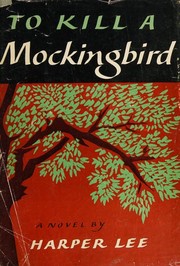
Harper Lee · 1960 · Classic novel
Read
In the small town of Maycomb, Alabama, during the Depression, Scout Finch looks back on her childhood with her older brother, Jem, and their summer friend, Dill. The children spend their days inventing stories about Boo Radley, a reclusive neighbour they have never seen.
Their father, Atticus, a widowed lawyer, is appointed to defend Tom Robinson, a Black man accused of raping a young white woman. As the case unfolds, the children face hostility from neighbours and classmates and begin to understand the prejudice, class divisions and hypocrisy of the adults around them. Told with humour and warmth through a child’s eyes, Harper Lee’s Pulitzer Prize-winning novel explores justice, empathy, moral courage and the loss of innocence.
Key insights
- Understanding people means trying to see things from their point of view; Atticus teaches this to his children as a daily habit, not a slogan.
- Courage is doing what is right when you expect to lose; Atticus takes on the case knowing how the town will react.
- Communities invent monsters out of people they do not know; the children’s rumours about Boo Radley show how fear fills the gaps.
- The mockingbird stands for innocence; harming those who do no harm is presented as a particular kind of wrong.
- Many readers now question how the novel centres a white hero in a story of Black injustice; that critique adds depth to a rereading.
Read it if you want a warm, humane novel about justice and growing up that still prompts useful debate today.