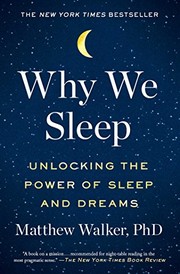
Unlocking the Power of Sleep and Dreams
Matthew Walker · 2017 · Health
Read
In Why We Sleep, neuroscientist Matthew Walker sets out what sleep is, how it works and what happens when we do not get enough of it. He explains the two main forces that govern sleep, the body clock and the build-up of sleep pressure, and the roles of deep non-REM sleep and dreaming REM sleep.
Walker argues that sleep is essential to almost every system in the body. It supports learning and memory, emotional balance, creativity, immune function and cardiovascular health, while chronic short sleep is linked to a higher risk of many diseases. He looks at sleep disorders and sleeping pills, and calls for changes in schools, workplaces and medicine. Some researchers have criticised the book for overstating certain findings, so treat its sharpest claims with care.
Key insights
- Keep a regular sleep schedule, going to bed and waking at the same times every day, weekends included; Walker singles out consistency as the most important habit.
- Caffeine lingers. Its half-life is several hours, so an afternoon coffee can still reduce the depth and quality of that night’s sleep.
- Alcohol is not a sleep aid. It sedates rather than producing natural sleep, fragments the night and suppresses REM sleep.
- Sleep matters on both sides of learning: before, to prepare the brain to take in new information, and after, to consolidate what was learned.
- Make the bedroom cool and dark. Core body temperature needs to fall for sleep to begin, and evening light, especially from screens, delays melatonin release.
Read it if you want to understand why sleep matters and are ready to treat it as a priority rather than a luxury.