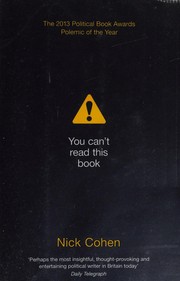
Censorship in an Age of Freedom
Nick Cohen · 2012 · Politics
Read
The British journalist Nick Cohen argues that censorship did not disappear with the internet and the spread of liberal democracy. It changed shape. He identifies three main forces that silence people: religious intimidation, the power of money, and the reach of the state.
On religion, he traces how threats of violence, from the campaign against Salman Rushdie’s The Satanic Verses onwards, taught publishers, artists and journalists to censor themselves. On money, he attacks the English libel laws of the time, which let wealthy claimants silence critics, and the pressure organisations place on employees who might speak out. On the state, he doubts that new technology alone will defeat authoritarian governments. Throughout, he criticises liberals who excuse censorship rather than resisting it.
Key insights
- Censorship works best when people censor themselves. The fear of violence or financial ruin can silence far more voices than any official ban.
- Free speech matters most when it offends someone powerful or dangerous. Protecting only comfortable opinions protects very little.
- Expensive legal action can suppress the truth. When defending a claim costs more than most people can afford, wealth itself becomes a form of censorship.
- Organisations that punish internal dissent hide their own problems. Protecting people who raise concerns is a safeguard, not a threat to good management.
- Technology is not automatically liberating. The same networks that spread information can help governments monitor, track and control their citizens.
Read it if you care about free expression and want a forceful account of how it is restricted, even in democracies.